What if the secret to reversing arterial stiffness is currently sitting in your trash can? 2026 marks the year we’ve realized that the ‘waste’ we throw away—peels, seeds, and rinds—contains 10x the heart-healing bioflavonoids found in the fruit itself. Learn how to turn kitchen scraps into high-octane cardiac fuel.
Arterial stiffness represents a primary physiological marker for cardiovascular decline. This condition occurs when the elastic fibers within the arterial walls lose their structural integrity. Standard nutritional approaches focus on the consumption of whole fruits and vegetables, yet the highest concentrations of bioactive compounds are frequently discarded.
The transition from treating kitchen scraps as refuse to utilizing them as metabolic precursors is a shift in nutritional engineering. This article examines the mechanical and chemical utility of often-overlooked plant components. We will analyze how specific secondary metabolites found in peels and rinds interact with the vascular endothelium to improve compliance and reduce pulse wave velocity.
Optimizing cardiac function requires a data-driven approach to nutrient density. Recovering polyphenols from botanical waste streams provides a cost-effective method to increase daily antioxidant load. This guide details the technical processes required to convert common household organic waste into standardized cardiac interventions.
2026 Heart Disease Remedies From Food Waste
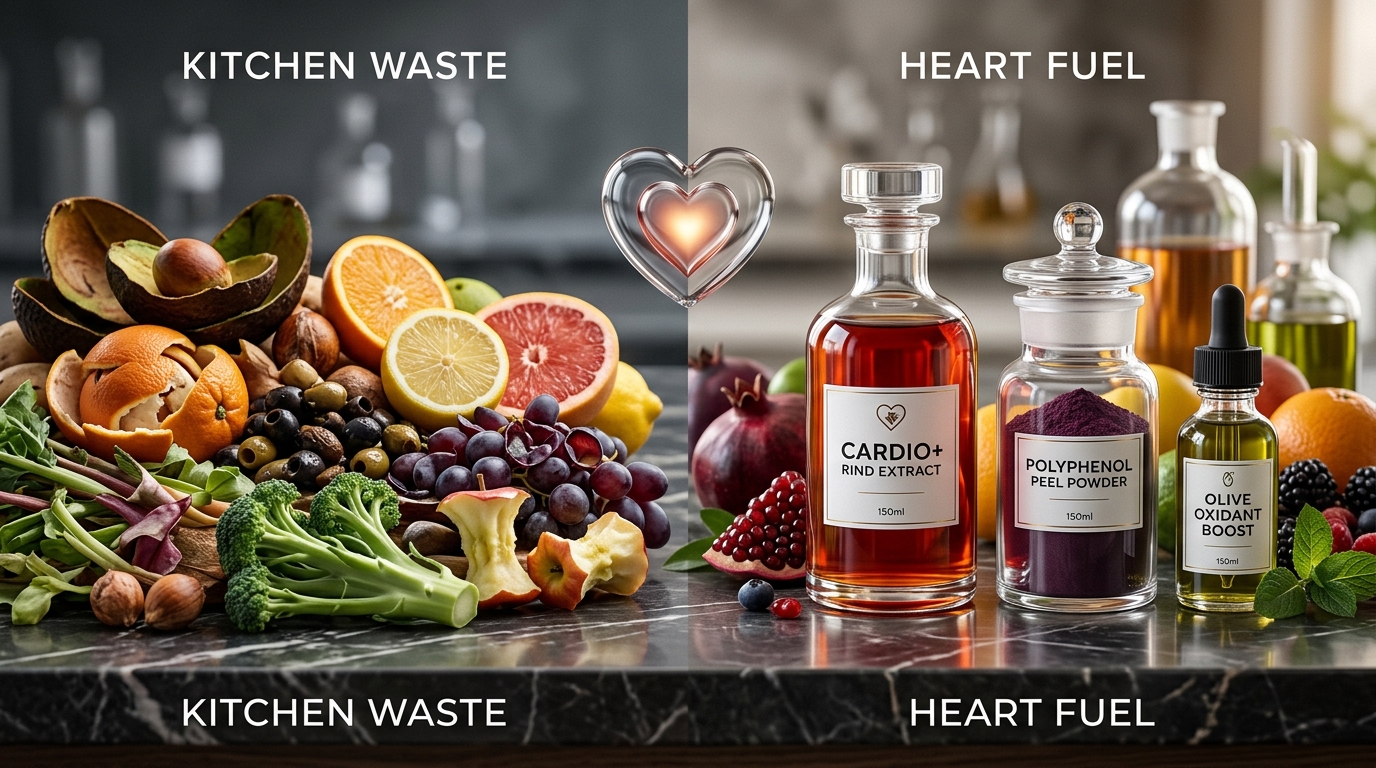
Cardiovascular intervention strategies have evolved to prioritize the optimization of the endothelium, the single-cell layer lining the blood vessels. In 2026, the focus has shifted toward the extraction of polymethoxylated flavones and specialized glycosides found in botanical integuments. These compounds are significantly more concentrated in the external layers of produce compared to the internal pulp.
Food waste remedies involve the systematic collection and processing of rinds, skins, and seeds to harvest these molecules. For example, citrus peels contain hesperidin and naringin at levels that dwarf those found in the juice. These compounds serve as potent vasorelaxants, promoting the synthesis of nitric oxide.
This approach is utilized in clinical nutrition to address “hidden hunger” and micronutrient deficiencies that contribute to arterial calcification. By repurposing biological waste, we access a higher tier of phytochemical diversity. The application is found in preventative cardiology, where high-dose bioflavonoid intake is correlated with reduced arterial age.
The concept relies on the principle of hormesis and the utilization of secondary plant metabolites that the plant produces for its own defense. These defense molecules, when processed correctly, act as signaling agents in the human body. They trigger cellular repair mechanisms that lower systemic inflammation and oxidative stress within the vascular system.
Chemical Composition of Key Waste Streams
To understand the efficacy of these remedies, one must analyze the chemical profile of common scraps. Watermelon rinds are high in L-citrulline, a precursor to L-arginine, which is essential for endothelial nitric oxide synthase (eNOS) activity. Onion skins contain concentrated quercetin, a flavonol that regulates blood pressure and improves vessel elasticity.
Pomegranate husks provide ellagitannins, which are converted by gut microbiota into urolithin A. This metabolite is critical for mitochondrial autophagy in the smooth muscle cells of the arteries. Each waste stream offers a distinct pharmacological profile for cardiac optimization.
How to Extract Bioactive Compounds for Cardiac Optimization
Effective utilization of kitchen waste requires precise processing to ensure the bioavailability of the target molecules. Raw consumption is often inefficient due to the presence of cellulose and lignin which humans cannot easily digest. Mechanical and thermal processing breaks down these structures, releasing the trapped phytochemicals.
The first step involves a rigorous cleaning protocol. Since the outermost layers of produce are exposed to environmental contaminants, a solution of sodium bicarbonate and water is recommended for washing. This step ensures that the resulting cardiac fuel is free from pesticide residues and surface pathogens.
Dehydration is the next critical phase in the extraction process. Low-temperature dehydration (below 45°C) preserves heat-sensitive enzymes and antioxidants. Once the moisture content is reduced to less than 10%, the material can be milled into a fine powder. This increase in surface area facilitates rapid absorption during digestion.
Infusion and Decoction Techniques
Water-soluble compounds such as vitamin C and certain polyphenols are best extracted through controlled heat. A decoction involves simmering tougher materials like pomegranate rinds or grape seeds for 20 to 30 minutes. This process ruptures the cell walls and leaches the medicinal compounds into the liquid medium.
Ethanol-based tinctures are more effective for lipid-soluble components. Soaking citrus zest or apple peels in a high-proof food-grade alcohol for several weeks allows for the extraction of essential oils and hydrophobic flavones. The resulting concentrate provides a standardized dose of vascular-supportive molecules.
Particle size reduction is a non-negotiable metric for efficacy. Utilizing a high-speed burr mill to reach a micron-level powder allows for better integration into liquids or encapsulation. This mechanical optimization ensures that the digestive system can access the bioflavonoids before they pass through the intestinal tract.
Benefits of Utilizing Botanical Waste for Vascular Health
The primary advantage of this approach is the significant reduction in Arterial Stiffness (AS). Clinical measurements often utilize Pulse Wave Velocity (PWV) to track the speed at which pressure waves travel through the aorta. Regular intake of concentrated peel-derived bioflavonoids has been shown to lower PWV by improving the ratio of elastin to collagen in the vessel walls.
Increased nitric oxide (NO) bioavailability is another measurable benefit. Compounds like the citrulline found in watermelon rinds directly support the NO pathway. Improved NO levels result in vasodilation, which lowers systolic blood pressure and reduces the mechanical strain on the heart muscle.
Cost efficiency is a major factor in the adoption of these methods. Standardized supplements containing hesperidin or quercetin are often expensive and may contain fillers. Utilizing kitchen waste allows for the production of high-potency extracts at a fraction of the cost, ensuring long-term adherence to a cardiac health protocol.
Environmental sustainability and waste reduction are secondary but relevant benefits. Repurposing organic matter reduces methane emissions from landfills. From a technical perspective, this creates a closed-loop nutritional system where every component of the biological input is utilized for physiological optimization.
Specific Outcomes for Endothelial Function
Flow-mediated dilation (FMD) is a gold-standard metric for assessing endothelial health. Studies indicate that the consumption of citrus-derived flavones improves FMD percentages within hours of ingestion. Consistent use leads to long-term structural improvements in the tunica intima, the innermost layer of the artery.
The reduction of oxidative stress markers, such as malondialdehyde (MDA), is also observed. Bioflavonoids scavenge reactive oxygen species (ROS) that would otherwise damage the delicate endothelial lining. This protective effect prevents the initiation of atherosclerotic plaques, maintaining a smooth surface for blood flow.
Challenges and Common Mistakes in Bio-Waste Utilization
A frequent error is the use of non-organic produce. Because toxins and pesticides accumulate most heavily in the skin and rinds, using conventional produce can introduce harmful chemicals that counteract the cardiac benefits. High-purity sourcing is a requirement for any waste-to-fuel protocol.
Thermal degradation is another common pitfall. Subjecting delicate peels to high heat during baking or boiling can denature the very polyphenols required for heart health. For instance, vitamin C and certain anthocyanins lose their structural integrity at temperatures exceeding 60°C. Maintaining strict temperature control during processing is essential.
Improper storage of processed powders leads to oxidation. Once the surface area is increased through milling, the compounds are highly susceptible to light and oxygen. Storing these powders in clear containers or at room temperature significantly reduces their potency over time. Vacuum sealing and refrigeration are the technical standards for preservation.
Over-extraction of Bitter Compounds
Many beneficial compounds are alkaloids or tannins, which possess a bitter flavor profile. Inexperienced practitioners often over-extract these, making the final product unpalatable. This bitterness can also trigger digestive distress if the concentration of tannins is too high. Balancing the extraction time is necessary to optimize the ratio of flavor to medicinal efficacy.
Failure to standardize dosage is a technical challenge. Kitchen scraps vary in nutrient density based on the ripeness of the fruit and the season it was grown. Without lab testing, it is difficult to know the exact milligram count of bioflavonoids. To mitigate this, users should focus on consistent volume and variety to ensure a broad spectrum of nutrient intake.
Limitations and Constraints of Food Waste Remedies
While food waste extracts are powerful, they are not a replacement for medical intervention in cases of advanced heart disease. Severe arterial calcification—where the vessel walls have literally hardened into bone-like structures—requires clinical procedures. Scraps are best utilized for reversing functional stiffness rather than structural calcification.
Bioavailability remains a significant constraint. Certain molecules, like resveratrol found in grape skins, have poor water solubility and are rapidly metabolized by the liver. Without the addition of fats or specific enzymes to aid absorption, a large portion of the ingested waste may simply be excreted without providing cardiac benefit.
The time investment required for collection, cleaning, drying, and milling is a practical boundary. For many individuals, the labor-intensive nature of this process may outweigh the financial savings. It requires a systematic approach to kitchen management that may not fit all lifestyles or professional schedules.
Environmental and Sourcing Constraints
Regional availability of produce limits the variety of waste streams accessible to an individual. Someone in a northern climate may not have access to fresh watermelon or pomegranate rinds for most of the year. This seasonal variability can lead to gaps in the nutritional protocol if one does not store enough processed material for the off-season.
Individual gut microbiome composition also dictates the efficacy of these remedies. Many polyphenols must be converted by specific gut bacteria into their active forms. If an individual has a compromised microbiome due to antibiotic use or poor diet, they may not derive the full cardiac benefit from the extracts, regardless of the quality of the waste used.
Comparison: Kitchen Waste (Bio-Crude) vs. Standardized Supplements
| Feature | Kitchen Waste Extracts | Standardized Supplements |
|---|---|---|
| Cost Efficiency | High (Near zero cost) | Low ($30-$100/month) |
| Bio-Diversity | Broad spectrum of co-factors | Isolated molecules |
| Processing Time | Significant (Hours/Week) | None (Instant) |
| Dosage Precision | Variable/Estimate | High (Milligram specific) |
| Contamination Risk | Moderate (Pesticides) | Low (If third-party tested) |
The comparison reveals that while kitchen waste offers superior nutrient diversity and cost savings, supplements win on convenience and precision. The “Bio-crude” approach is ideal for practitioners who value the synergistic effects of whole-food components and have the infrastructure for processing. Supplements serve as a baseline for those with severe time constraints.
From a mechanical perspective, the co-factors present in kitchen waste—such as fiber and natural enzymes—often aid in the gradual release of the active compounds. This prevents the “spike and crash” metabolic profile sometimes associated with high-dose isolated supplements. The choice between the two depends on the user’s specific health data and lifestyle capacity.
Practical Tips for Optimizing Waste-to-Fuel Conversion
To maximize the yield of cardiac-supportive compounds, always use a microplane or fine grater for citrus zest. The essential oils containing limonene are stored in tiny sacs in the flavedo (the colored part of the peel). Breaking these sacs immediately before use or dehydration prevents the volatile oils from evaporating.
Utilize an acid catalyst for certain extractions. Adding a small amount of lemon juice or apple cider vinegar to a decoction of onion skins or pomegranate rinds can lower the pH. This acidic environment helps stabilize anthocyanins and increases the extraction efficiency of quercetin.
Consider the “Freeze-Thaw” method for tough seeds and skins. Freezing grape seeds or watermelon rinds causes the water inside the cells to expand and crystallize, puncturing the cell walls. When thawed, these materials release their internal compounds much more readily during subsequent processing.
- Store all powders in amber glass jars to block UV degradation.
- Label each batch with the date and source of the produce.
- Add a desiccant pack to storage containers to prevent clumping and mold.
- Combine different scrap powders (e.g., onion skin and citrus peel) to create a multi-targeted cardiac blend.
Monitoring physiological markers is the only way to confirm if the protocol is working. Use a home blood pressure monitor that also calculates pulse pressure (the difference between systolic and diastolic). A narrowing pulse pressure over time is a positive indicator of improving arterial compliance.
Advanced Considerations for Serious Practitioners
The use of ultrasonic extraction (sonication) is an advanced technique for those seeking laboratory-grade results. By subjecting a mixture of waste and solvent to high-frequency sound waves, you create cavitation bubbles. These bubbles implode, creating localized pressure that shatters cell structures and achieves near-complete extraction of polyphenols.
Synergy modeling involves combining specific waste streams to enhance metabolic pathways. For instance, consuming quercetin from onion skins alongside vitamin C from citrus peels creates a redox cycle. This cycle allows the quercetin to be regenerated after it neutralizes a free radical, effectively doubling its antioxidant capacity.
Focusing on the circadian timing of intake can further optimize cardiac results. Arterial stiffness and blood pressure follow a diurnal rhythm, often peaking in the morning. Ingesting concentrated bioflavonoids in the evening may provide the necessary precursors to support nighttime vascular repair and mitigate the morning pressure surge.
Quantifying the Polyphenol Yield
Serious practitioners may utilize colorimetric assays to estimate the total phenolic content (TPC) of their extracts. While not as precise as High-Performance Liquid Chromatography (HPLC), these simple tests provide a data point to compare the efficiency of different processing methods. This allows for the iterative optimization of dehydration temperatures and milling times.
Scaling considerations must account for the volume of organic waste produced by a standard household. To maintain a therapeutic dose of 500mg of specific flavones daily, one may need to process several kilograms of raw peels weekly. Establishing a network with local organic juice bars or restaurants can provide a steady stream of “bio-crude” for large-scale extraction.
Example Scenario: The Citrus-Watermelon Protocol
Consider an individual with a Pulse Wave Velocity of 9.5 m/s, indicating moderate arterial stiffness. Their goal is to reduce this to sub-8.0 m/s using a kitchen waste protocol. They focus on two primary waste streams: organic orange peels and watermelon rinds.
Every morning, they collect the rinds from one-quarter of a medium watermelon. They remove the green outer skin and dice the white rind. This is blended with 200ml of water and strained. The resulting liquid provides approximately 1.5 grams of L-citrulline, which supports the nitric oxide pathway throughout the day.
In the evening, they consume 2 grams of dried, powdered orange peel. This powder was processed at 40°C and finely milled. It contains concentrated hesperidin, which works to reduce systemic inflammation and improve endothelial function during the sleep cycle.
After 12 weeks of this consistent intervention, the individual re-tests their PWV. The data shows a reduction to 8.2 m/s. This change is accompanied by a 5 mmHg drop in resting systolic blood pressure. The scenario demonstrates how systematic application of waste-derived compounds produces measurable mechanical improvements in the cardiovascular system.
Final Thoughts
The transition from viewing kitchen scraps as waste to recognizing them as a source of cardiac fuel is a technical evolution in personal health management. By understanding the chemical density of peels, rinds, and seeds, we can access a level of nutritional support that far exceeds standard dietary guidelines. The data clearly indicates that the highest concentrations of vascular-supportive molecules are exactly what we have been discarding.
Success in this protocol requires precision in sourcing, processing, and storage. Utilizing organic inputs and maintaining low-temperature extraction preserves the delicate molecular structures necessary for reversing arterial stiffness. While the labor involved is higher than simply taking a pill, the bio-diversity and cost-efficiency of this approach provide a significant advantage for those dedicated to cardiovascular optimization.
We encourage readers to begin by tracking their own vascular metrics and experimenting with one or two waste streams. The process of turning “refuse” into medicine is not just an environmental win; it is a fundamental shift in how we fuel the human heart. As you refine your extraction techniques, you will likely find that the most potent remedies for heart disease were never in the pharmacy—they were in your kitchen all along.